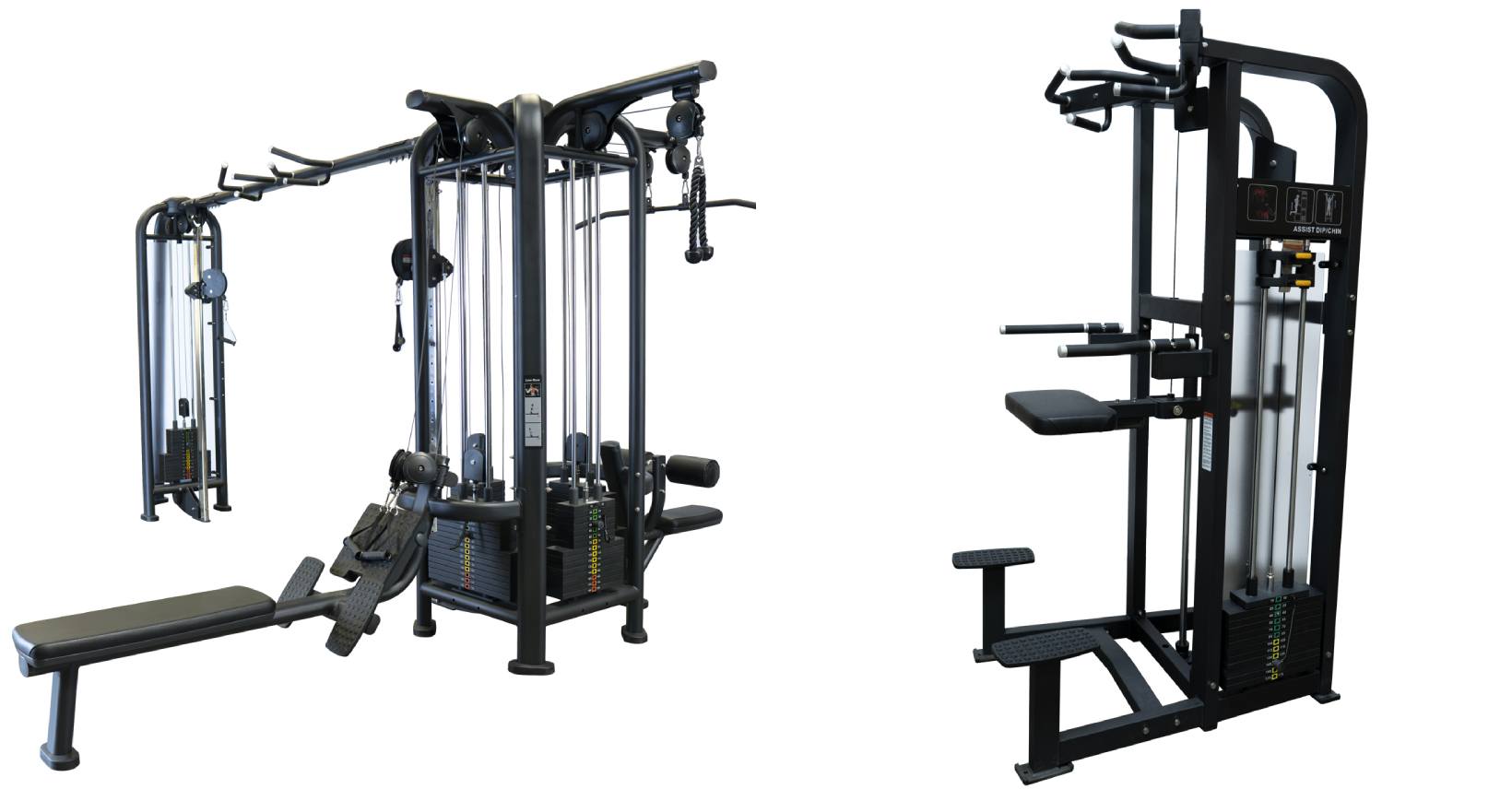
Investing in commercial gym equipment is one of the most important financial decisions a fitness facility, apartment complex, hotel, corporate wellness center, or training studio can make. The equipment inside a fitness space directly affects user experience, member retention, operational efficiency, and the long-term value of the amenity itself. When the right decisions are made, a gym becomes a meaningful asset that attracts users, supports retention, and enhances the overall reputation of the property or business. When the wrong decisions are made, the consequences can become expensive very quickly.
One of the biggest mistakes businesses make is focusing too heavily on appearance, trends, or sales pitches without fully evaluating how the equipment will actually perform in the real world. A machine may look impressive in a showroom or online catalog, but that does not mean it fits the users, the available space, or the long-term operational goals of the facility. Equipment should not be selected based solely on what looks modern or what competitors are buying. It should be selected based on functionality, usage patterns, durability, maintenance demands, and how people will realistically interact with the space every day.
The problem is that poor equipment decisions rarely reveal themselves immediately. At first, the gym may look complete. But over time, the issues begin to surface. Certain machines sit unused while others create bottlenecks. Maintenance costs start increasing. Layout problems become obvious during busy hours. Users become frustrated with equipment that feels unnecessary, unreliable, or poorly matched to their needs. Eventually, businesses find themselves spending even more money replacing equipment, redesigning layouts, or correcting mistakes that could have been avoided with better planning upfront.
Choosing the wrong commercial gym equipment is not just an inconvenience. It can impact profitability, member satisfaction, operational efficiency, and the long-term success of the facility itself. That is why strategic equipment planning matters so much. The most successful fitness spaces are not built around trends or quantity. They are built around thoughtful decisions that balance usability, durability, flexibility, and long-term value
Equipment That Does Not Match User Demographics
One of the most common mistakes businesses make is purchasing equipment that does not align with the people actually using the facility. A corporate fitness center, apartment gym, athletic training facility, and boutique studio all serve very different audiences with different workout preferences and experience levels.
For example, highly specialized strength equipment may appeal to advanced lifters but provide little value in a hotel fitness center primarily used by casual travelers. Similarly, a facility dominated by cardio equipment may fail to meet the needs of members looking for functional training or strength-focused workouts.
When equipment selection does not match user behavior, utilization drops and expensive machines may sit unused for long periods of time.
Overspending on Equipment Too Early
Many businesses make the mistake of overinvesting in equipment before fully understanding how their fitness space will operate. Purchasing large amounts of expensive equipment upfront can create unnecessary financial strain, especially for newer facilities still evaluating member demand and usage patterns.
Fitness trends also evolve quickly. Equipment that seems essential today may become far less valuable as member preferences change over time. Businesses that commit heavily to fixed equipment investments too early may find themselves stuck with outdated or underutilized assets that no longer align with what users actually want.
For many facilities, flexibility is often more valuable than maximizing equipment quantity immediately. This is one reason equipment rentals can provide a major advantage, allowing businesses to test different machines and layouts before committing to permanent purchases.
Ignoring Space Planning and Layout
Even high-quality equipment can become a problem when it is placed into a poorly planned layout. Commercial fitness spaces need enough room for safe movement, traffic flow, accessibility, and comfortable workout experiences.
Overcrowded gyms can feel chaotic and difficult to navigate, especially during busy hours. Equipment that is too large for the available space may reduce functionality instead of improving it. In some cases, facilities prioritize fitting in as many machines as possible without considering how members actually move throughout the gym.
A thoughtful layout often improves the user experience far more than simply adding additional equipment.
Choosing Low-Quality Equipment
Commercial gym equipment experiences constant daily use, making durability extremely important. Choosing lower-quality equipment to reduce upfront costs can sometimes create far greater expenses over time through repairs, downtime, and premature replacements.
When equipment breaks frequently or performs inconsistently, users quickly become frustrated. Poorly functioning equipment can negatively affect the reputation of a facility while also creating safety concerns and operational disruptions.
Reliable commercial-grade equipment is essential for maintaining a professional and dependable fitness environment.
Failing to Consider Maintenance Requirements
Every piece of commercial fitness equipment requires ongoing maintenance to remain safe and functional. Some businesses underestimate the long-term responsibility that comes with equipment ownership, including repairs, inspections, part replacements, and servicing costs.
As equipment ages, maintenance demands often increase significantly. Unexpected breakdowns can disrupt facility operations while creating frustration for users who depend on consistent equipment availability.
Businesses that rush into large equipment purchases without fully understanding maintenance demands may eventually face higher operating costs than expected. Flexible gym equipment rental solutions can help reduce some of that long-term risk while allowing facilities to adapt more easily as their needs evolve.
Limited Adaptability as Needs Change
Fitness facilities often evolve over time as user preferences, trends, and operational goals shift. Equipment that initially seemed like the perfect fit may eventually become limiting if the facility needs to reconfigure its layout, support new training styles, or expand services.
Businesses that invest too heavily in fixed equipment setups may struggle to adapt efficiently when changes become necessary. Renting fitness equipment provides an opportunity to evaluate what actually performs well within a facility before making larger long-term commitments.
Instead of being locked into equipment that may no longer fit operational goals a few years later, facilities gain more flexibility to refine their fitness spaces based on real-world usage and member feedback.
Why Strategic Equipment Planning Matters
Commercial gym equipment is far more than a cosmetic investment. The equipment inside a fitness space directly affects user experience, operational efficiency, maintenance demands, and the long-term value of the facility itself. The right setup can improve member satisfaction, support retention, enhance the perception of the property, and create a more functional environment for daily use. The wrong setup can lead to overcrowded layouts, underused machines, rising maintenance costs, and expensive replacement decisions that continue affecting the business for years.
Many facilities make the mistake of approaching equipment purchases too aggressively too early. They invest heavily before fully understanding how users will interact with the space, which machines will actually see consistent usage, or how the layout will perform once the facility becomes active. What looks good during the planning phase does not always translate into a better real-world fitness experience.
That is why strategic equipment planning matters so much. The most successful fitness spaces are not created by simply filling a room with machines. They are built through thoughtful decisions that prioritize usability, flexibility, traffic flow, and long-term adaptability. Every piece of equipment should serve a purpose and contribute to a space that feels efficient, comfortable, and worth using.
This is also why renting gym equipment has become such a valuable solution for many businesses. Renting allows facilities to avoid locking large amounts of capital into permanent equipment decisions before usage patterns are fully understood. Instead of making irreversible purchases upfront, businesses can test layouts, evaluate member behavior, refine equipment mixes, and adapt the space based on real-world usage.
Renting also helps reduce many of the risks associated with ownership. Facilities gain more flexibility as needs evolve, avoid overcommitting to equipment that may become underused, and create opportunities to upgrade or adjust setups without major financial setbacks. For apartment gyms, hotels, corporate wellness centers, training studios, and commercial fitness facilities, this flexibility can create significant long-term advantages.
At Rent Gym Equipment, we help businesses create smarter fitness spaces through flexible equipment rental solutions and strategic planning support. Instead of forcing facilities into expensive permanent purchases too early, we help clients build functional, professional environments that can evolve alongside their operational goals and user needs.
Schedule a custom gym design consultation today and discover how renting gym equipment can help you create a better fitness space with greater flexibility, lower upfront risk, and a smarter long-term investment strategy.
Call us at (310) 638-4800 or visit www.RentGymEquipment.com to learn more.


 Business Hours: