When planning a small fitness center, one of the biggest misconceptions is that more equipment automatically creates a better gym. In reality, the opposite is often true. Simply filling a room with machines does not make it more functional, more appealing, or more valuable. In many cases, it does the exact opposite.
A smaller fitness space does not need to be packed wall to wall to feel complete. When too much gym equipment is forced into a limited footprint, the result is often a space that feels crowded, disorganized, and difficult to use. Movement becomes restricted, equipment overlaps in purpose, and the overall experience suffers. What should feel like a convenient, well-designed amenity instead feels cluttered and inefficient.
This is where many buyers go wrong. They focus on quantity instead of usability.
So how much equipment does a small fitness center actually need? The answer is almost always less than expected. The most effective small gyms are not built by maximizing the number of machines. They are built by selecting the right mix of equipment that supports the most common workouts while preserving space, flow, and functionality.
The goal is not to replicate a full-scale commercial gym. It is to create a space that feels intentional, efficient, and genuinely worth using, one where every piece has a purpose and the room itself works as well as the equipment inside it.
A Small Fitness Center Should Focus on Coverage, Not Quantity
The best small fitness centers are built around coverage, not volume. In other words, you do not need five versions of the same machine or rows of equipment that all serve nearly identical purposes. You need enough variety to support the most common workouts people want to do.
That usually means thinking in categories. Most users in a small, shared fitness center want access to three basic things: cardio, general strength training, and some open area for stretching, bodyweight work, or light functional movement. If those three needs are covered well, the space often feels far more complete than a room full of mismatched or redundant machines.
This is especially important in apartment fitness centers, hotel gyms, office wellness rooms, and small private training spaces where square footage is limited and every piece needs to earn its place.
Cardio Usually Requires Fewer Machines Than People Expect
Many buyers overestimate how much cardio equipment a small fitness center needs. Unless the facility is serving heavy traffic all day long, a small room usually does not need an entire line of treadmills, bikes, and ellipticals.
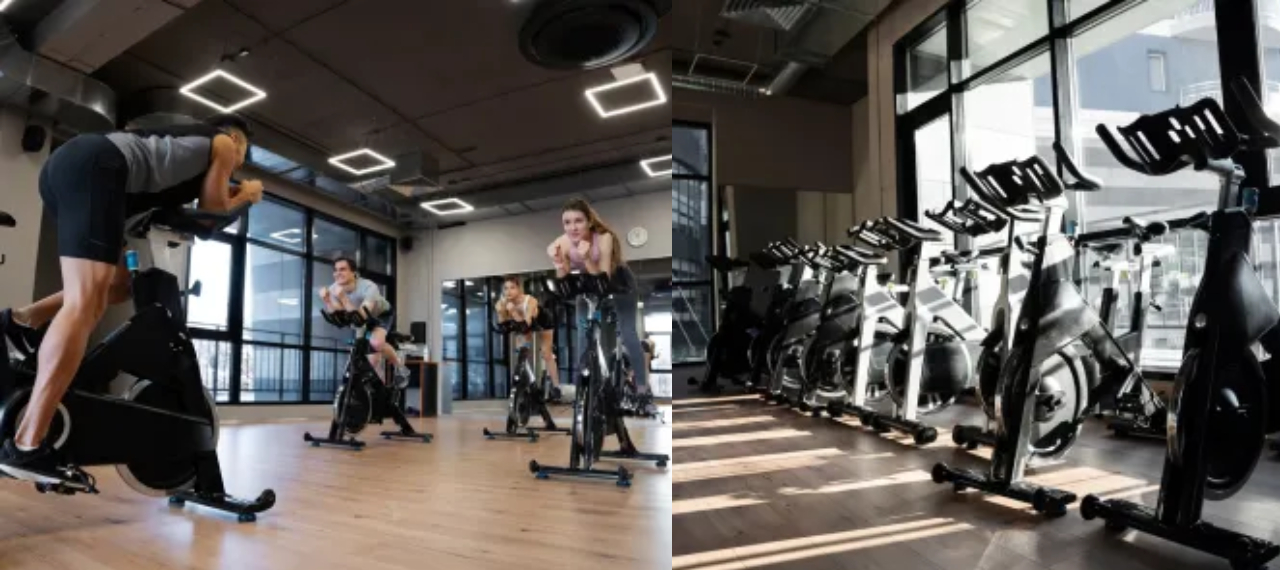
In many cases, three to five cardio pieces is enough for a small fitness center, depending on the size of the property and expected usage. That might be a combination of treadmills, an elliptical, a bike, or another low-impact option. The goal is to provide variety without consuming the entire room.
For example, two treadmills and one or two additional cardio pieces often cover the majority of needs in a modest apartment or hotel gym. Adding more just because there is space can create unnecessary cost without meaningfully improving the user experience.
Cardio equipment is also often the most expensive category, so this is one of the easiest places to overspend if the layout is not carefully planned.
Strength Equipment Should Be Versatile, Not Excessive
Strength equipment is where thoughtful selection matters most. In a small fitness center, the smartest approach is usually to prioritize equipment that can serve multiple users and multiple movement patterns instead of filling the room with isolated single-purpose machines.
That often means a setup centered around a functional trainer or cable machine, an adjustable bench, a dumbbell rack, and perhaps one or two carefully chosen selectorized or plate-loaded pieces if space allows. A simple rack setup can also provide a lot of training value in a relatively compact footprint if it makes sense for the audience.
For most small fitness centers, the right strength section is not about having every machine people might find in a large commercial gym. It is about giving users enough to train the major muscle groups safely and effectively without crowding the space or creating equipment that sits unused most of the time.
Open Space Is Just as Important as the Equipment Itself
One of the most overlooked parts of a small fitness center is open space. Buyers sometimes treat every empty section of the room as an opportunity to add another machine, but that often makes the room worse instead of better.
A small fitness center still needs room for stretching, mobility work, bodyweight movements, warm-ups, and basic usability. People need to be able to walk through the space without feeling boxed in. They need enough room to safely use free weights, adjust benches, and move around without bumping into other users or equipment.
A gym that has slightly less equipment but better flow will almost always feel more functional than a gym that is overcrowded with machines. This is especially important in multifamily and hospitality settings, where the perceived quality of the amenity matters just as much as the number of pieces inside it.
The Right Amount Depends on Who Will Actually Use It
The amount of equipment a small fitness center needs depends heavily on the type of users it is designed for.
An apartment fitness center may need a balanced setup that appeals to the widest range of residents. A hotel gym may need simpler, universally recognizable equipment that supports short, convenient workouts. A private training studio may need fewer total pieces but more specialized functionality. An office wellness room may benefit from a lighter mix focused on accessibility and quick-use equipment.
That is why the smartest equipment plan starts with the user, not the catalog.
If you buy based on what “looks like a gym,” you often overspend. If you buy based on what your actual users are likely to do, the space becomes much more efficient and much more valuable.
More Equipment Can Increase Costs Without Improving Quality
Adding too much equipment does not just affect space. It also increases the total cost of the fitness center in ways buyers do not always think about upfront.
More equipment means more upfront spending, more maintenance, more potential repairs, more delivery and installation complexity, and more chances that certain pieces will end up underused. In smaller facilities, this can quickly turn into wasted capital.
That is why a leaner, smarter equipment plan is often the better investment. A small fitness center should feel intentional. Every machine should serve a purpose. If a piece is only there because it “seemed like a good idea,” it is usually not the best use of the budget.
This is also one reason many operators choose to rent gym equipment. It can be a smart way to avoid overcommitting before they fully understand how the space will actually be used.
Build a Small, High-Impact Fitness Center with the Right Strategy
A small fitness center does not succeed because of how much equipment it has. It succeeds because of how well the space is planned and how effectively each piece serves the people using it. The strongest small gyms are not filled with machines for the sake of appearance. They are designed with intention, where cardio, strength, and open space work together to create a smooth, functional experience that actually gets used.
In most cases, a well-designed small fitness center only needs a focused selection of essential equipment. A few high-quality cardio machines, versatile strength options such as a functional trainer and free weights, and enough open space to move comfortably can deliver far more value than a crowded room filled with redundant machines. When the layout is clean and the equipment is purposeful, the entire space feels larger, more professional, and more inviting.
The difference comes down to decision making. Instead of asking how much equipment can fit into the room, the better question is what equipment will actually be used consistently. When every piece has a clear role, the space performs better, requires less maintenance, and creates a stronger impression for residents, guests, or members. This approach not only improves usability but also protects your budget from unnecessary spending.
Working with an experienced partner can make that process significantly easier. With Rent Gym Equipment, you gain access to expert guidance, flexible equipment options, and layouts designed specifically for smaller spaces. Whether you are outfitting an apartment gym, hotel fitness center, or private training space, the goal is to build a setup that fits your footprint while delivering a complete and satisfying workout experience.
If you are planning a small fitness center and want to avoid overbuying while still creating a high-quality amenity, now is the time to take a smarter approach. Request a customized consultation today and turn your space into a well-designed, fully functional gym that maximizes value, improves user experience, and performs the way it should from day one.
Call us at (310) 638-4800 or click here to get a Free Custom 3D Gym Design today!


 Business Hours: