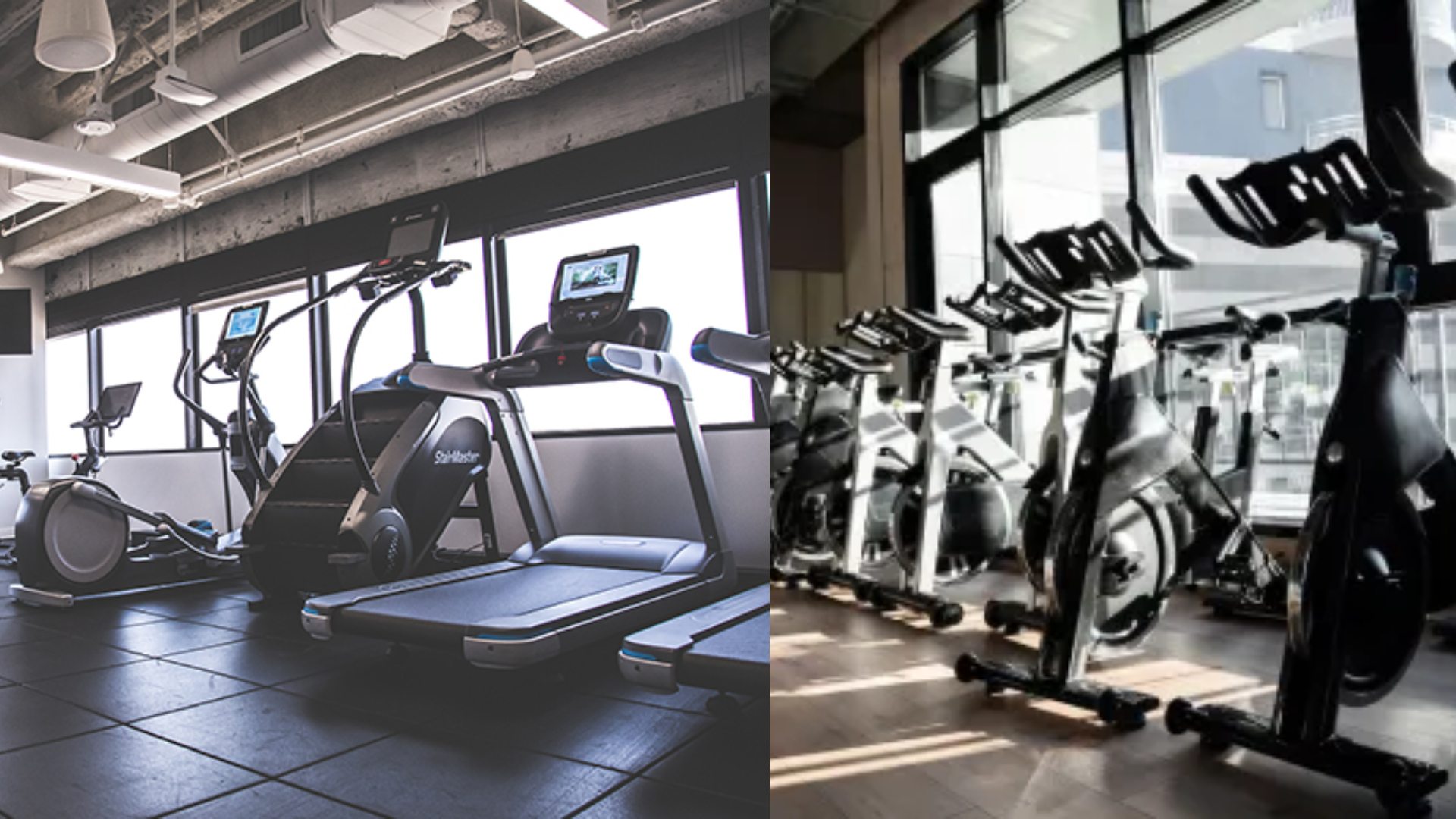
Planning a commercial fitness center often starts with an equipment wish list: treadmills, ellipticals, functional trainers, racks, benches, dumbbells, and specialty machines. Before long the question becomes how much all of this will cost.
That question matters, but it comes too late in the process.
A smarter approach is to build a realistic commercial gym equipment budget before selecting specific machines. The budget should account for far more than sticker prices. It should reflect who will use the facility, how often, the available square footage, installation requirements, ongoing maintenance, future equipment replacement, and whether buying, renting, or leasing equipment makes the most financial sense.
Without that planning, it is easy to overspend in areas that add little value while underinvesting in equipment users actually want. A thoughtful budget creates a framework for better decisions from the start and helps avoid expensive changes after the fitness center opens.
Start With the Purpose of the Fitness Center
Before deciding how much to spend, define what the fitness center needs to accomplish.
An apartment fitness center serves a different purpose than a hotel gym. A corporate wellness center has different usage patterns than a boutique training studio. A university recreation room may see concentrated bursts of heavy traffic, while a residential community may see smaller groups spread across the day.
These differences should directly shape the equipment budget.
A hotel, for example, may prioritize recognizable cardio equipment, dumbbells, and a compact strength solution because guests generally want a convenient workout during a short stay. A multifamily property may need a broader equipment mix that accommodates residents with different fitness levels and training preferences.
The budget should begin with the people using the space, not an equipment catalog. Understanding the intended user also helps avoid one of the most common budgeting mistakes, paying for specialized machines that look impressive but see very little use.
Determine What the Space Can Realistically Support
Square footage should shape the equipment budget before purchasing decisions begin.
Trying to maximize the number of machines in a commercial fitness center can create an overcrowded environment that hurts usability. Equipment needs clearance, users need room to move safely, and the facility needs enough circulation space to stay comfortable during busy periods.
This is why space planning and budgeting should happen together. If a room can comfortably support fifteen carefully selected pieces of equipment, budgeting for twenty five machines simply because the funds are available will not create a better gym.
Understanding the usable footprint helps determine where money should be concentrated. Smaller spaces often benefit from versatile equipment that supports multiple exercises rather than numerous single purpose machines. A professional design consultation can flag these limitations before equipment is ordered, helping prevent costly changes during delivery and installation.
Build the Budget Around Equipment Categories
Once the purpose and usable space are clear, the equipment budget can be divided among the major training categories.
Most commercial fitness centers need some combination of cardio equipment, strength equipment, free weights, functional training equipment, and open exercise space. The percentage allocated to each category should reflect the expected users rather than a universal formula.
Cardio equipment is often one of the largest expenses because commercial treadmills, ellipticals, and bikes contain motors, electronics, and moving components built for repeated use. A facility should offer enough cardio variety to serve its users without automatically buying several units of every machine.
Strength equipment deserves the same discipline. A functional trainer, adjustable benches, dumbbells, and a few carefully selected strength machines can offer more training versatility than a room filled with isolated equipment. The goal is not even spending across categories but investing where equipment will see the most use.
Account for Costs Beyond the Equipment Price
One of the easiest budgeting mistakes is treating the quoted equipment price as the total project cost.
Delivery and installation can add meaningful expense, particularly when equipment must be moved upstairs, through restricted access points, or into buildings with complicated loading requirements. Flooring, electrical work, storage, and signage may also factor into the total project budget.
Maintenance deserves attention too. Commercial equipment operates in demanding environments, and preventive maintenance protects both performance and long-term value.
Budgeting only for the initial purchase price creates a misleading picture of what the fitness center will actually cost. Decision makers should think about the full lifecycle, including acquisition, installation, maintenance, repairs, eventual replacement, and disposal.
Avoid Spending the Entire Budget on Day One
Having a $100,000 equipment budget does not mean all $100,000 should be committed immediately.
New facilities rarely know exactly how users will behave once the doors open, and equipment that seemed essential during planning sometimes sees surprisingly little use.
Keeping some flexibility in the budget lets operators respond to actual utilization rather than assumptions. This matters most for new apartment developments, hotels, corporate wellness centers, and fitness concepts where usage patterns have not yet been established. A phased approach lets the facility open with a strong core equipment mix and expand once real demand becomes clear.
Compare Buying, Renting, and Leasing Before Finalizing the Budget
A commercial gym equipment budget should not automatically assume every machine will be purchased.
Buying can make sense for established facilities with predictable long-term usage, sufficient capital, and a willingness to manage maintenance and eventual replacement. Ownership provides full control, but it also puts the financial and operational responsibility on the facility. The risks of buying the wrong equipment are worth weighing carefully before committing capital.
Renting commercial gym equipment offers a different approach. Instead of committing a large amount of capital upfront, organizations can spread equipment costs over time while keeping more flexibility as facility needs evolve. A longer-term rental arrangement, sometimes structured as a lease, can offer similar advantages: preserving working capital, setting predictable expenses, and planning refresh cycles without treating every change as a major capital outlay.
The right structure depends on the organization, but the options should be compared before the budget is finalized rather than assuming a purchase is the only path. Reviewing which businesses benefit most from renting equipment is a useful next step for facilities still weighing their options.
Let Utilization Guide Long Term Spending
The initial budget should be treated as a starting point, not a permanent formula.
Commercial fitness equipment does not stay new forever. Usage, maintenance history, and evolving user expectations affect when equipment should be refreshed or replaced. Facilities that ignore this reality often face large, unplanned capital requirements a few years after opening.
Once the facility is operating, real usage becomes valuable information. If treadmills stay full while another cardio machine sits idle, future spending should reflect that. If free weights and functional training areas consistently draw a crowd, expanding those areas may deliver more value than adding another specialized strength machine. Deciding in advance whether to rent equipment short-term or commit to a longer arrangement can make these adjustments far easier to manage.
Frequently Asked Questions
How much should I budget for commercial gym equipment?
There is no universal number because costs depend on facility size, equipment mix, expected usage, equipment quality, and whether the equipment is purchased, rented, or leased. A useful budget starts with the facility’s purpose and user demographics, then accounts for equipment, installation, maintenance, and future replacement.
Should a commercial gym equipment budget include installation?
Yes. Delivery, assembly, placement, access requirements, and installation should all factor into the true project budget. Flooring, electrical work, storage, and other facility improvements may need separate allocations as well.
Is it better to buy or lease commercial gym equipment?
Neither option is automatically better. Purchasing can work well for established facilities with predictable needs and available capital, while a lease tends to appeal to organizations that value predictable expenses, capital preservation, and flexibility for future equipment changes.
Can renting equipment help prevent overspending?
Yes. Renting gym equipment lets a facility start with an appropriate equipment mix, evaluate actual utilization, and make adjustments before committing significant capital to permanent purchases. This is especially useful for new facilities where usage patterns are still unknown.
Should equipment replacement be included in the original budget?
Long-term planning should account for eventual replacement. Commercial equipment wears down, technology evolves, and user expectations shift. Planning for refresh cycles from the beginning helps prevent unexpected capital requirements later.
Build the Budget Before You Build the Gym
The most effective commercial fitness centers are rarely the ones with the largest equipment budgets. They are the ones where available capital has been allocated intelligently.
A strong commercial gym equipment budget starts by understanding the users, defining the purpose of the facility, evaluating the available space, and choosing an equipment mix that supports real demand. It also accounts for costs beyond the price tag, including installation, maintenance, lifecycle planning, and future replacement.
Just as important, budgeting should include an honest comparison of purchasing, renting, and leasing. Committing significant capital before usage patterns are known creates unnecessary risk. A flexible rental strategy can help organizations preserve capital, build a professional fitness environment, and adjust equipment selections as real-world needs become clear.
At Rent Gym Equipment, we help commercial clients plan before they commit. Our team can assist with equipment recommendations, space planning, layout optimization, budget guidance, and flexible commercial gym equipment rental and leasing solutions built around your facility.
Before you start filling a shopping cart or approving equipment purchases, make sure the numbers and the layout work together. Schedule a custom design consultation or request a customized rental or leasing proposal today to build a commercial fitness center around your space, users, budget, and long-term goals.


 Business Hours: